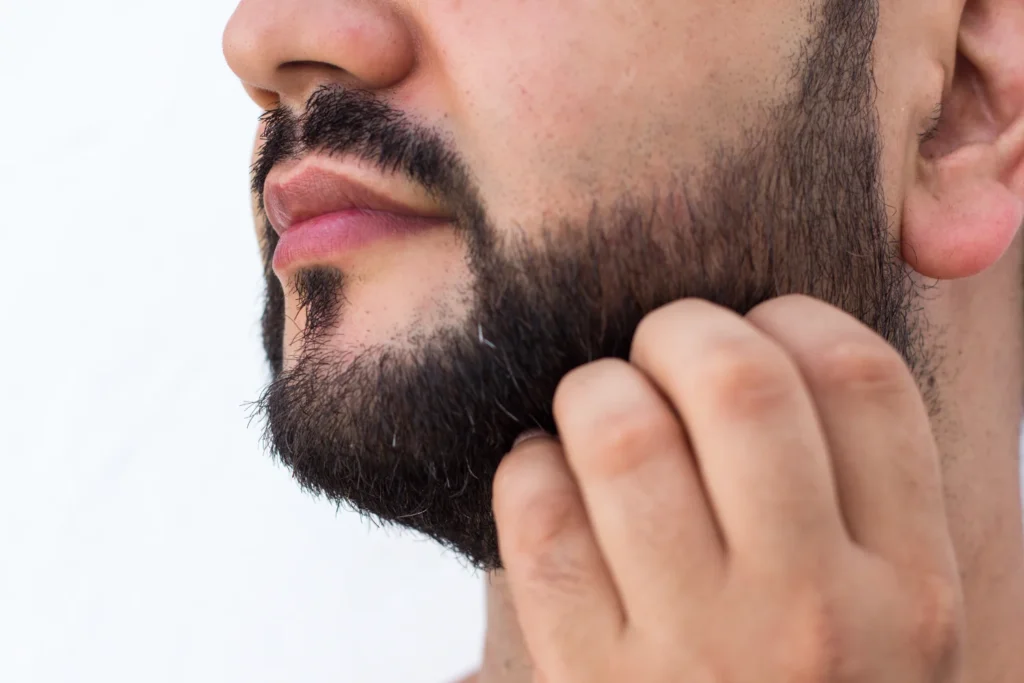
Eyebrow and beard hair transplants with the FUE (Follicular Unit Extraction) technique are aesthetic procedures that allow the repopulation, redesign or creation of these facial areas through the extraction and implantation of the patient’s own hair follicles.
A preliminary consultation is performed to evaluate both the donor area (usually the back and sides of the scalp) and the recipient areas (eyebrows and/or beard). During this phase, the number of grafts needed, their distribution and the final design that best suits the patient’s facial characteristics are planned.
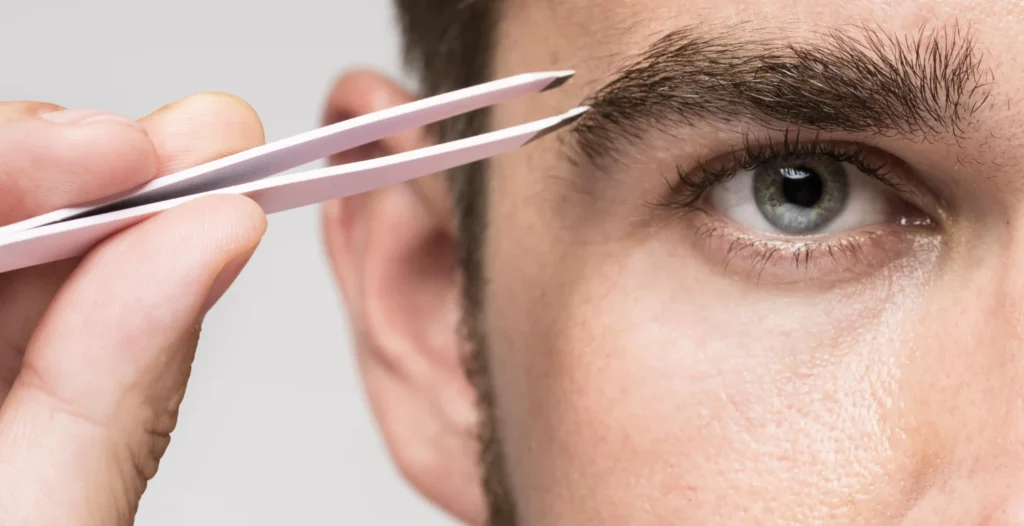
Follicular units are extracted individually from the donor site using a 0.7mm to 0.9mm diameter electric circular micro-scalpel under local anesthesia. The FUE LONG HAIR technique is used for eyebrow transplantation, which does not require shaving the donor area and allows the follicles to be extracted while maintaining the hair strand.
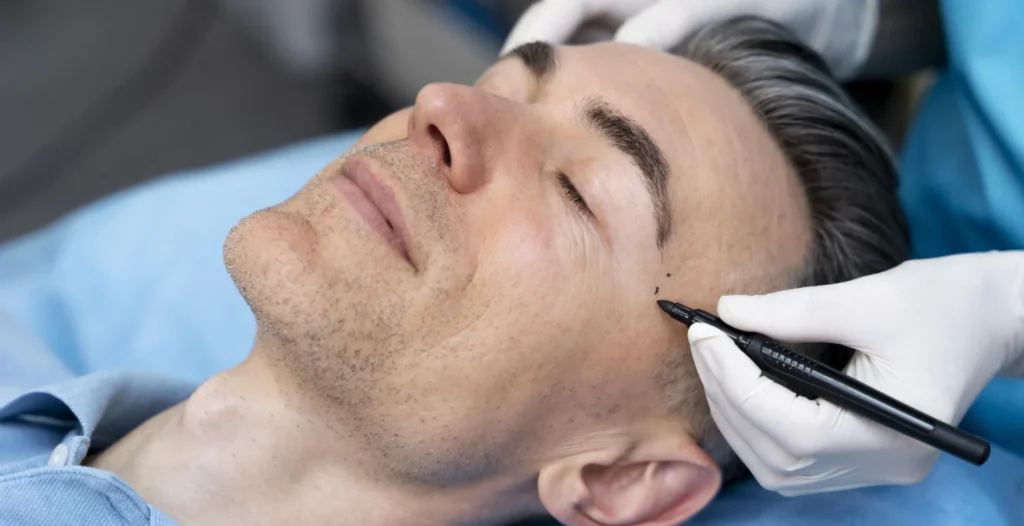
The extracted follicles are counted, classified and selected under magnifying loupes. For the eyebrows, priority is given to those with a single hair for a more natural look, while for the beard, units of 1 to 3 hairs can be used depending on the area to be treated.
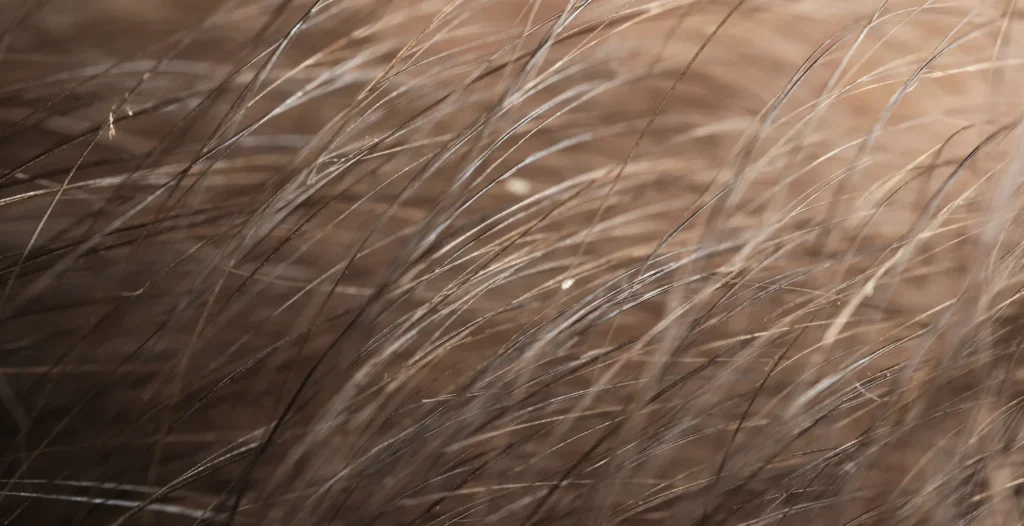
It is performed by the DHI (Direct Hair Implant) technique using specialized devices called Implanters. This allows grafts to be implanted one by one, precisely controlling the angle, direction and density to mimic natural facial hair growth. In the case of eyebrows with the Long Hair technique, the result is immediately visible and realistic.
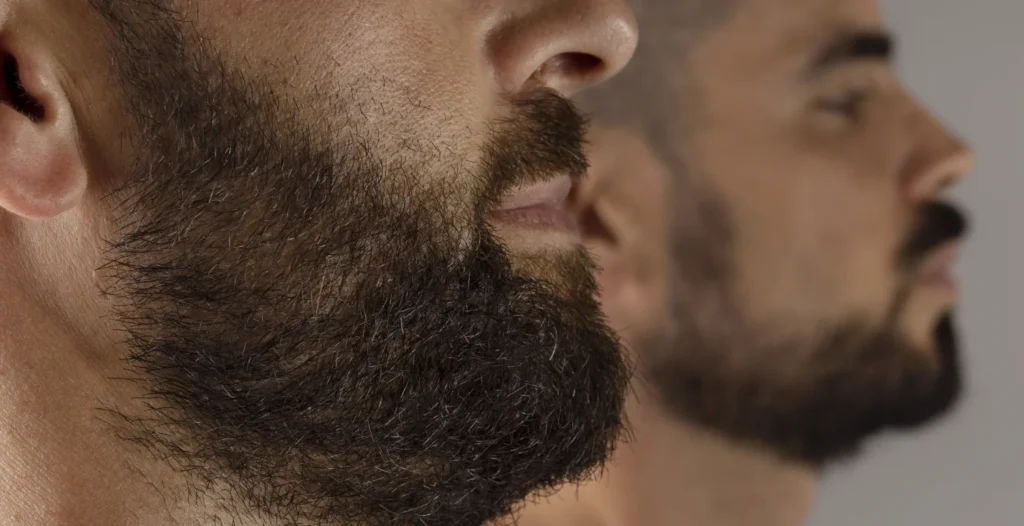
Maintenance: Transplanted hair maintains the characteristics of the scalp, so it will grow faster than natural facial hair and will require regular trimming to maintain the desired appearance.
Precision required: Both eyebrow and beard transplantation require great technical precision and experience of the professional to achieve natural results that respect the facial anatomy.
Patient commitment: It is essential to follow postoperative indications and have realistic expectations about recovery times and final results.
First weeks: It is normal to experience mild redness, swelling and the formation of small scabs on the treated areas during the first few days.
Shock Loss Phase: Within 2-4 weeks after the procedure, the implanted hair usually falls out. This is a completely normal phase of the process.
Definitive growth: The new growth begins approximately from the third month, stabilizing between 6-12 months to obtain the final result.
No visible scars: leaves only small punctiform marks in the donor area that heal quickly.
Rapid recovery: minimally invasive process with reduced recovery time
Natural results: When performed with proper technique and experience.
Outpatient procedure: performed in a single session without the need for hospitalization.
