
Hair transplantation in women is a minimally invasive medical procedure that allows the recovery of hair in areas where it has been lost or thinned, such as the frontal line, the receding hairline, the crown or even the eyebrows. Unlike men, female alopecia tends to have a more diffuse pattern, so treatment must be highly personalized.
First, the cause of hair loss (hormonal, genetic, stress, etc.) is identified through a complete diagnosis. Not all women are ideal candidates, so this stage is key.

Hair follicles are extracted from the donor area (usually the back and side of the scalp) using the FUE (Follicular Unit Extraction) technique, which leaves no visible scars. It can be performed through a partial curtain shaving of the donor area.
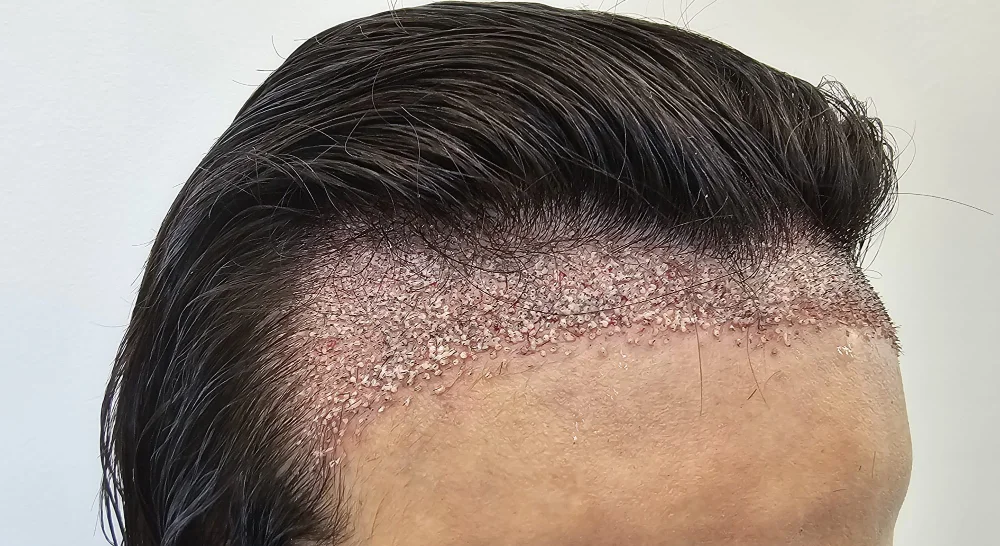
The follicles are carefully implanted in the recipient areas, using the DHI (Direct Hair Implant) technique, which will respect the natural direction of the hair and the desired aesthetic design.
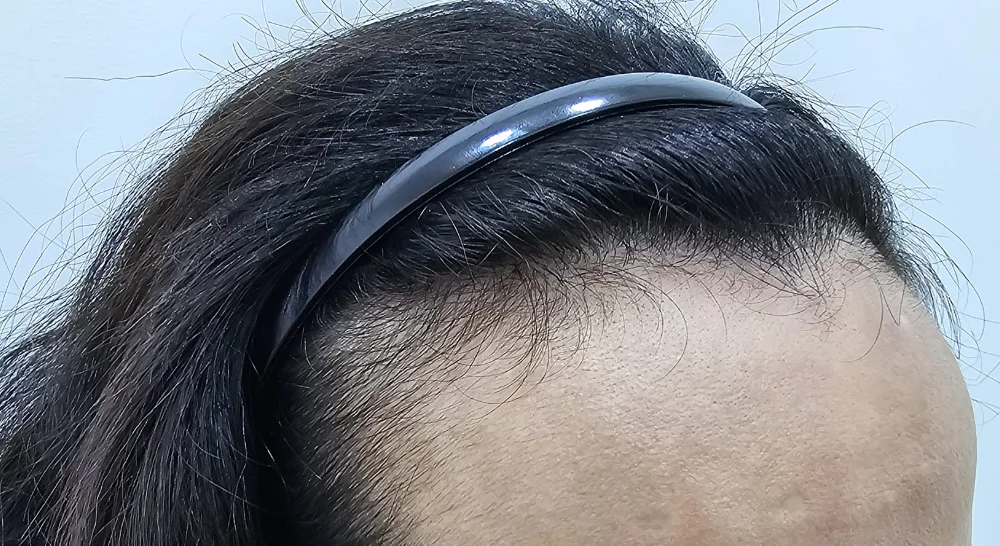
After transplantation, it is common to experience slight swelling or redness. The transplanted hair may temporarily fall out (postoperative effluvium), but will grow back strongly in the following months. Full recovery and visible results are achieved within 6 to 12 months.
Transplantation is recommended for women who present:
It is not recommended if the hair loss is active and generalized, as in cases of telogen effluvium or certain autoimmune diseases. The cause must first be determined and hair loss stabilized.
